
What We Mean by “Sexism” at Sensate Canvas™
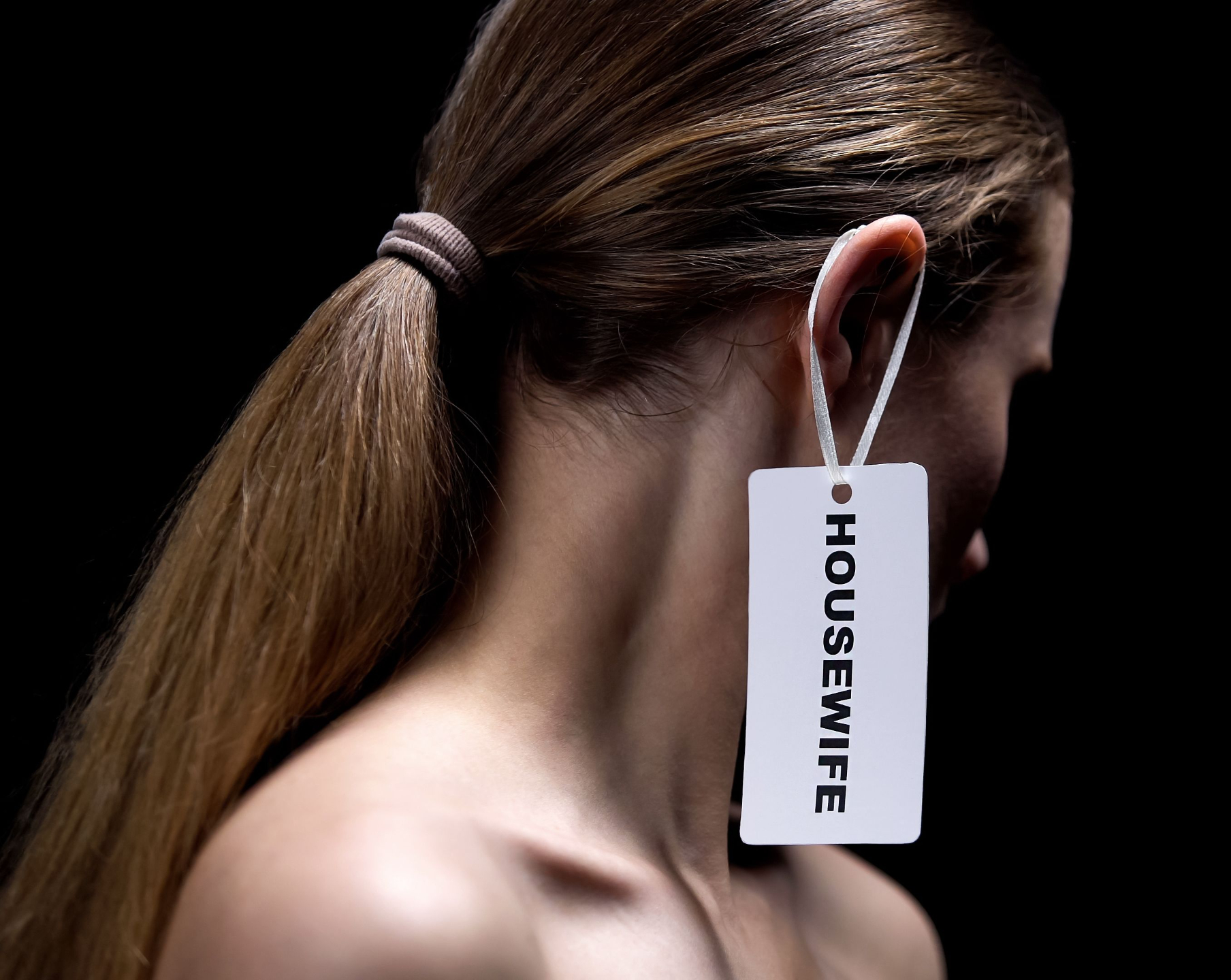
For Sensate Canvas, sexism is a learned system of perceptions, gestures, practices, and meanings that assigns value to people based on gendered expectations—often automatically, invisibly, and through the body.
It is not limited to acts of discrimination; it operates as a cultural network that shapes how we feel, interpret, and respond in our relationships, our bodies, and our daily choices.
For us, sexism is not just a negative attitude; it’s a cultural and bodily ecosystem that restricts vitality, creativity, and connection. Transforming it means reclaiming the body as a territory of perception, dignity, and relational freedom.
✨ Lives in culture ✨ Lives in the body
✨ Creates relational inequality✨ Affects all genders
Where Sexism Operates
✦ Lives in culture
It consists of inherited patterns—norms, roles, and myths about the body, pleasure, authority, and care—transmitted through language, institutions, family practices, and everyday micro-behaviours.
✦ Lives in the body
As learned tensions, silences, permissions, and prohibitions. It influences how we breathe, ask, set boundaries, experience pleasure, express emotions, and access our sensory agency.
✦ Creates Relational Inequality
It conditions who feels entitled to take up space, feel safe, be heard, be desired, and be complex, impacting not only social but also relational dynamics.
✦ Affects All Genders
Women may experience control, dismissal, or restriction; men often experience emotional suppression and pressure to perform strength; gender-expansive people may experience erasure or hostility. In different ways, it limits everyone’s freedom to feel, relate, and inhabit their bodies entirely.
It Can Be Transformed
Because it is learned, not innate. Through sensory awareness, critical sex education, restorative language, and body-based practices, we can begin to restore agency, presence, and co-regulation.
Why This Community Exists
Decades of research from Harvard and Yale show that:
- The quality of our relationships and sense of community is one of the strongest predictors of lifelong mental and physical health.
- The beliefs we hold about ourselves—our bodies, our worth, our future—directly shape our stress, health, and even longevity.
When we put this next to our understanding of sexism, we land here: Healing is not meant to happen alone. It’s not just about what happened to us, but about what we come to believe about ourselves afterward—and who we heal alongside.
This community exists so we don’t carry the impacts of sexism in isolation.
Who This Community Is For
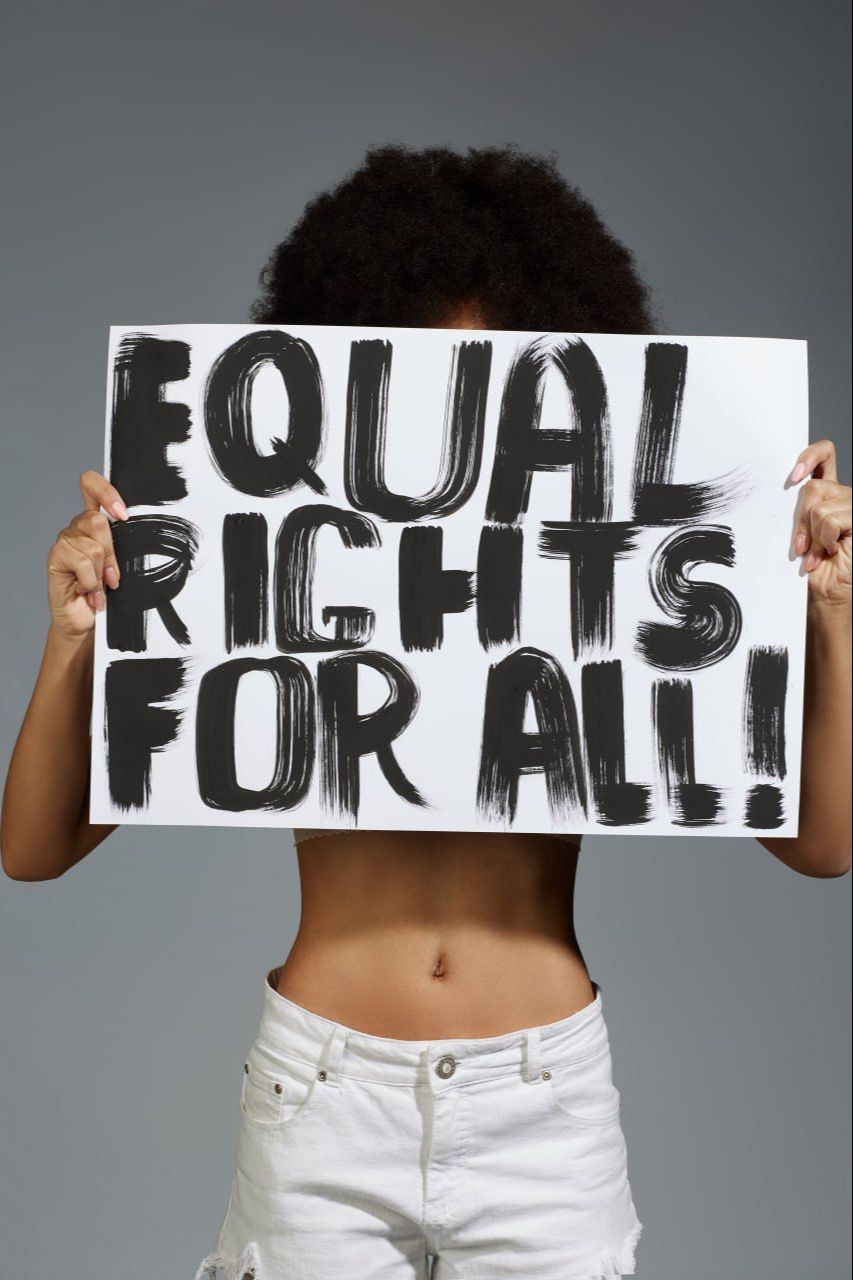
This community is for anyone whose life has been shaped by sexism, women, men, and gender-expansive people who:
💬
Have been dismissed, doubted, or blamed when they spoke up
🤫
Learned to shrink their voice, needs, or desires
🫂
Feel shame, confusion, or pressure around their body, emotions, or sexuality
🧘
Carry experiences of sexism alone and feel tired of “handling it” by themselves
💔
Are curious about healing that includes both body and mind
New Beliefs Await:
- “I am worthy. My story matters.”
- “My body is not shameful.”
- “My voice belongs here.”
What This Community Is — and Is Not
✅ This community is:
✓ A space for people affected by sexism (all genders) to gather in respect and care- ✓ A place where your experience is not minimized or questioned
- ✓ A circle where we learn, feel, and grow together
- ✓ A home that honors both science and lived experience
- ✓ A practice ground for consent, listening, curiosity, and compassion
❌ This community is not:
✗ A place to debate whether sexism is “real”- ✗ A substitute for one-on-one therapy (though it can support healing)
- ✗ A space for attacking, shaming, or dismissing others
Why We Created This Space
This platform was built to collect and honor real stories about sexism in all its forms - in families, workplaces, education, relationships, and culture.

Adam Cordner
My life was an endless race. The need to be 'perfect' in everything, to constantly meet others' expectations—these thoughts felt like an invisible...

Eliot Thomas
One morning, during a simple practice, it felt as though a switch suddenly flipped. I closed my eyes and focused only on sensing my feet on the ground...

Ernila Anus
Now, my reactions have changed. When a difficult conversation arises or an emergency situation occurs, instead of automatically getting angry or shutting down...
Get Help & Take Action
Legal & Policy Reform
Advocate for pay equity laws, equitable parental leave, and effective legal frameworks against gender-based violence.

Challenging Norms in Education
Implement curricula challenging stereotypes; focus on consent, emotions, and promoting healthy masculinities from a young age.
Workplace & Systemic Change
Mandate blind recruitment, objective promotions, and implement effective, well-resourced harassment protocols.
Share Your Experience Anonymously or With Your Name